
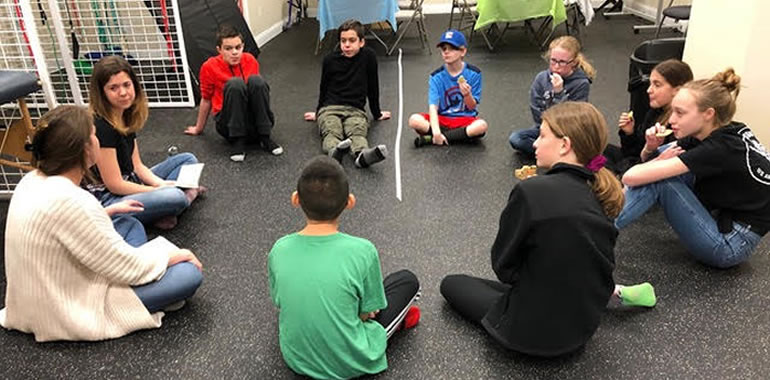
We’re doing something a little different with the blog this time—because this topic deserves more space. It’s something incredibly close to our hearts at Breakthrough, and something we don’t talk about nearly enough: the experience of the siblings.
Because here’s the truth—when there’s a child with special needs in the family, it doesn’t just affect that one child. It touches everyone. And while there are often support systems in place for parents, it’s surprisingly rare to see consistent, meaningful support offered to the siblings.
But if you really think about it…
Who’s likely to spend the most time with them over the course of a lifetime?
Who grows up right alongside them?
Who knows their highs and lows, their quirks and routines, their triggers and their triumphs?
It’s their siblings.
I didn’t fully realize the depth of this until years ago when I was doing home care. I found myself working closely with so many different families, each with their own rhythm, challenges, and magic. One family in particular changed everything. The mom introduced me to a structured type of sibling support group I had never heard of before: Sibshops.
She invited me to a two-day training, and I went, not fully knowing what I was walking into—but I left with an entirely new understanding. These siblings weren’t just navigating typical childhood experiences; they were carrying big feelings, big questions, and sometimes big fears… quietly and without a lot of acknowledgment.
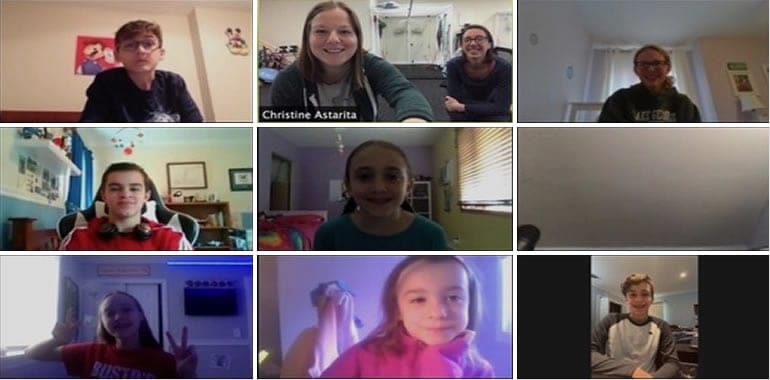
That training planted the seed for what would grow into our Virtual Sibshops—safe spaces for siblings to gather, be seen, talk openly, laugh together, and know they’re not alone.
What We’ve Learned from Our Sibs (So Far)
If you’re a parent reading this, you might be surprised at how many of the challenges you face… your kids are feeling too.
1. “My friends don’t get it.”
This one comes up all the time. Having a sibling with special needs can make everyday things—like having friends over—feel complicated. They worry about their sibling’s behavior being misunderstood. They wonder if their friends will ask questions, stare, or feel uncomfortable.
It adds a layer of isolation on top of an already tough age (hello, middle school), where fitting in is hard enough.
2. Big feelings… with not many places to put them.
Frustration: We often hear how hard it is to be held to a different standard. One sibling told us, “If I raise my voice, I get in trouble. But when my brother screams or hits, it’s just ignored.”
Even when they understand why… it still stings.
Pressure to be perfect: So many of our sibs become high achievers, perfectionists, or mini grown-ups before their time. They feel like they need to make life easier for their parents. They try to be the “easy” child, the “good” student, the one who doesn’t need anything—sometimes at the cost of their own emotional well-being.
Fear: This one is universal. Some fear being judged by peers. Others fear the future—what will happen as their sibling grows up? What will their role be? Will they be responsible for them someday?
It’s a lot. And it’s often hidden under the surface.
What We’re Doing About It
One of the silver linings of the pandemic was our ability to bring these siblings together through Virtual Sibshops. We meet weekly, giving them a safe and structured place to be heard, supported, and to simply be kids—kids who carry a lot.
Now, we’re expanding even more. We’re building in new leadership opportunities, adding in educational pieces, and creating more ways for them to feel seen, empowered, and connected.

Christine Astarita
She discovered her passion for the neurologic pediatric and adult population during her clinical affiliation at a special services school in Cape May, New Jersey. She is an active member of the APTA and continues to take post-graduate course work related to treatment methods for neurological diagnoses.