
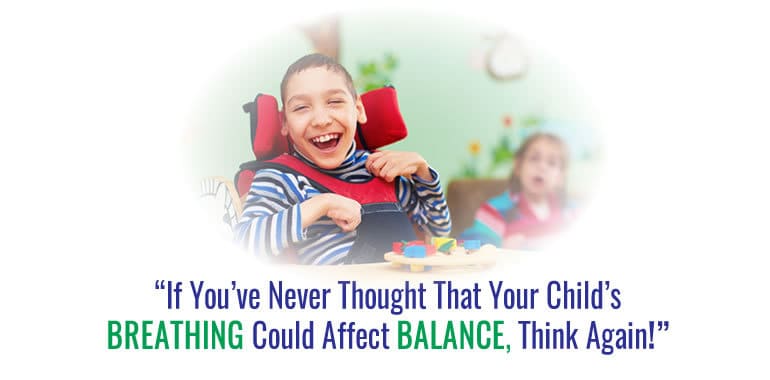
Recently, we talked about the “soda can model” of breathing and how it impacts posture. (If you missed it and want more details, click here.) The key idea is that all the pressures in your body need to be balanced for you to function well throughout the day. However, some people tend to breathe more from certain parts of their body, which can create imbalances and challenges. Here are the two main breathing patterns we often see:
Upper Chest Breathers
As the name suggests, these individuals rely more on their upper chest for breathing rather than their diaphragm (or “belly”). This pattern can happen for various reasons, such as asthma, muscle weakness, or even scoliosis. Why? Because the body always finds the path of least resistance—it prioritizes getting air first and everything else second. Upper chest breathing isn’t the most efficient method, but sometimes it’s necessary, or simply a learned habit when the diaphragm isn’t used properly.
Belly Breathers
Also known as diaphragm breathing, this style is common in kids or adults with low muscle tone (hypotonia) or a stiff chest. A stiff chest can result from surgical scars or high muscle tone and positioning issues.
Why Does This Matter?
When there’s an imbalance or asymmetry in breathing patterns, it affects our overall balance. Differences in how much air is taken into the upper chest versus the belly can influence your child’s sitting and standing stability. Breathing asymmetries between the two sides of the body also impact balance and should be addressed. You can focus on core and trunk strengthening all day long, but if breathing patterns aren’t corrected, your child may not reach their full potential—and could even be working harder than necessary.
The good news? There are always exercises and techniques to help improve breathing patterns. If you hadn’t considered that your child’s breathing could affect their balance before, it’s definitely worth thinking about now!

Christine Astarita
She discovered her passion for the neurologic pediatric and adult population during her clinical affiliation at a special services school in Cape May, New Jersey. She is an active member of the APTA and continues to take post-graduate course work related to treatment methods for neurological diagnoses.